If you’ve been hearing the word “peptides” more and more in wellness clinics, on health podcasts, from your doctor you’re not imagining things. Peptide therapy has emerged as one of the most talked-about areas in functional and preventive medicine. But with all the buzz comes real confusion about what peptides actually are, how they work, and whether they’re right for you.
What Are Peptides?
At the most fundamental level, peptides are short chains of amino acids — the same building blocks that make up proteins. They are essentially short proteins, typically about 2 to 100 amino acids long.
The distinction between a peptide and a protein comes down to length. Most scientists refer to chains with over 100 amino acids as proteins, while shorter chains are called peptides — with oligopeptides referring to chains of about 10 to 20 amino acids, and polypeptides referring to chains larger than 20 amino acids.
Your body naturally produces hundreds of different peptides, and they play an essential role in nearly every biological system. Peptides work as signaling molecules that bind to specific receptors on cells, triggering biochemical processes that influence metabolism, cell growth, and tissue repair. Think of peptides as the body’s internal messaging system…short, precise signals that tell your cells what to do and when to do it.
A Brief History: Peptides Are Not New
Peptide therapy may feel like a modern trend, but the science behind it has been developing for over a century. Research into therapeutic peptides started with fundamental studies of natural human hormones, and since the synthesis of insulin in 1921, more than 80 peptide drugs have been approved worldwide.
More than 100 peptide drugs are currently FDA-approved in the U.S., including medications like semaglutide (Ozempic, Wegovy) for type 2 diabetes and weight management, and abaloparatide for osteoporosis.
The global market has reflected this growth. Peptide drugs account for a significant portion of the pharmaceutical market, with worldwide sales exceeding $70 billion in 2019 — more than a two-fold increase compared to 2013.
How Does Peptide Therapy Work?
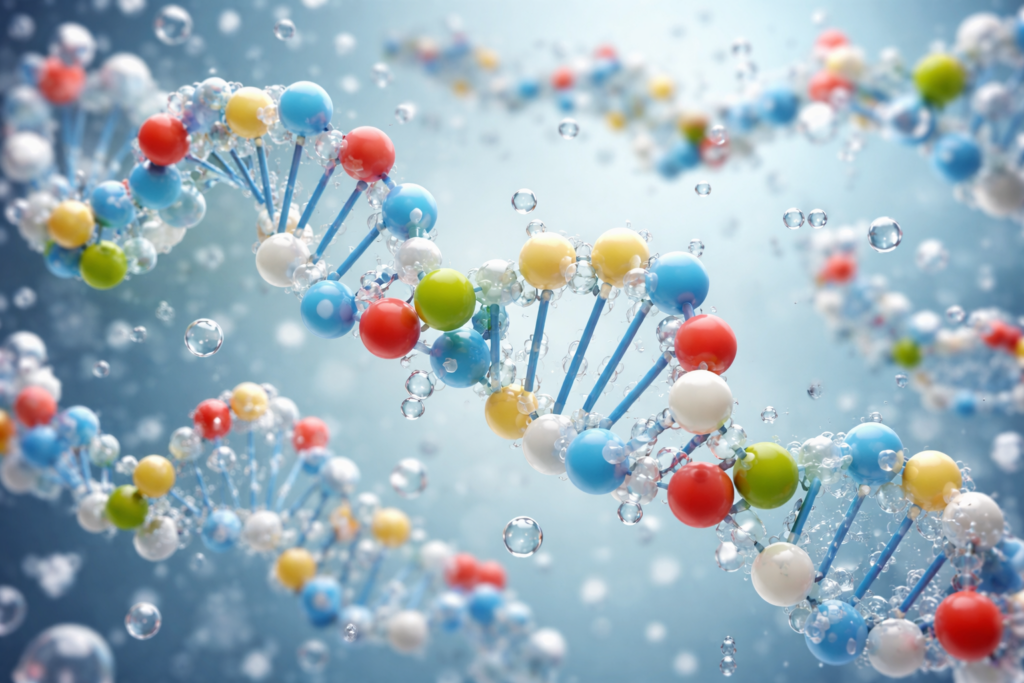
Peptide therapy is the intentional use of specific peptide compounds to influence how your body functions. Your body naturally produces endogenous peptides, which handle critical processes like repairing damaged tissue and supporting your immune system. Exogenous peptides, which must come from outside sources such as foods, supplements, or therapies, work alongside your body’s natural peptides to offer targeted benefits or fill gaps in certain functions.
Peptide drugs can work in a versatile manner, acting as hormones, growth factors, neurotransmitters, or anti-infective agents. They bind to cell surface receptors and stimulate intracellular effects with both high specificity and affinity.
This specificity is one of the defining advantages of peptide therapy. Rather than broadly stimulating or suppressing a system, well-chosen peptides can target precise biological pathways.
Key Areas Where Peptide Therapy Is Being Used
Weight Management
The most widely known peptides in mainstream medicine today are GLP-1 receptor agonists — a class that includes semaglutide. Clinical studies show that patients using GLP-1 agonists can achieve significant weight loss, with some individuals losing up to 15% of their body weight, making them one of the most effective options for weight management available today.
Beyond GLP-1s, other peptides are being explored in medically supervised contexts for their effects on metabolism and body composition. CJC-1295 is a synthetic growth hormone-releasing hormone analog that stimulates the pituitary gland to increase growth hormone and IGF-1 production, and it’s often used in peptide therapy protocols to support muscle gain, fat reduction, and recovery.
If you’re already exploring weight-focused treatments, DripIV’s Skinny Drip IV therapy and Weight Loss MIC Booster can complement a comprehensive approach to metabolic wellness.
Athletic Performance and Recovery
BPC-157 is a peptide derived from a protein found in gastric juice that plays a strong role in healing injuries to tendons, ligaments, and muscle tissue. Unlike painkillers or anti-inflammatories that mask symptoms, BPC-157 encourages cellular regeneration, improving recovery between workouts and maintaining long-term tissue quality.
TB-500 supports angiogenesis — the formation of new blood vessels — which promotes better delivery of nutrients and oxygen to healing muscles, and is often used in performance programs to reduce downtime between training cycles.
Athletes already committed to performance and recovery may also find value in DripIV’s Athletic Recovery IV and Anti-Inflammation drip, which deliver nutrients directly into the bloodstream for maximum absorption.
Anti-Aging and Skin Health
Peptides such as Matrixyl and copper peptides have been studied for their ability to interact with skin fibroblasts, which may influence the synthesis of collagen and elastin — proteins essential for maintaining skin firmness, elasticity, and hydration. Some clinical data suggest consistent use of peptide-based topical products may improve the appearance of fine lines and skin texture over a period of 8 to 12 weeks.
As we age, the natural production of peptides can decline, leading to various health issues including reduced muscle mass, slower recovery, and changes in skin quality. Peptide therapy aims to replenish these essential compounds and address those concerns directly.
Immune Function
Thymosin Alpha-1 is a naturally occurring peptide that has been shown in studies to stimulate the production and activity of T-cells, which are essential for identifying and destroying pathogens. It may be used to enhance immune defense in patients with chronic infections, autoimmune disorders, and even during cancer immunotherapy protocols.
For those building a foundation of immune support, DripIV’s Tri-Immune Booster and Ultimate Immunity IV offer IV-delivered vitamins and nutrients designed to support your body’s defenses.
Cognitive Health and Energy
Some peptides, including certain growth hormone secretagogues, are used in therapeutic protocols to enhance recovery, sleep quality, and general energy levels. Research into peptides for cognitive function and neuroprotection is an active and growing area of investigation.
This is an area where DripIV’s NAD+ therapy connects closely with the peptide conversation. NAD+ is a naturally occurring molecule that supports cellular energy production and DNA repair — and like peptides, its levels decline with age. Many patients pursue both as part of a broader longevity and performance protocol.
Who Is a Good Candidate for Peptide Therapy?
Today, peptides are being used in clinical settings and functional medicine practices across the country as part of personalized protocols to support metabolism, recovery, energy, skin health, healthy aging, and more.
People commonly exploring peptide therapy include:
- Adults experiencing age-related declines in energy, muscle mass, or recovery capacity
- Those seeking medical support for weight management beyond diet and exercise
- Active individuals and athletes focused on performance optimization and tissue repair
- People interested in preventive wellness and longevity medicine
How Peptides Fit Into the DripIV Approach
At DripIV, the philosophy has always been that optimal wellness is built across a comprehensive, personalized plan. IV therapy, booster shots, and NAD+ infusions work best when they’re part of a broader approach to how you eat, move, recover, and care for your body. Peptide therapy extends that philosophy into the world of lifestyle medicine — giving patients access to medically supervised programs alongside the in-clinic treatments DripIV has offered for years.
Whether you’re already a DripIV member or exploring wellness options for the first time, peptides represent one of the most targeted, research-backed frontiers in modern health optimization.
Peptides are naturally occurring molecules that your body already relies on for growth, repair, metabolism, immune function, and more. Peptide therapy uses these compounds in a targeted, medically supervised way to support areas where your body may need a boost — whether that’s weight loss, athletic recovery, skin health, or healthy aging.
The science is real, the applications are growing, and access has never been more available. The key is doing it right: with proper medical supervision, realistic expectations, and a provider who prioritizes your long-term health over quick results.